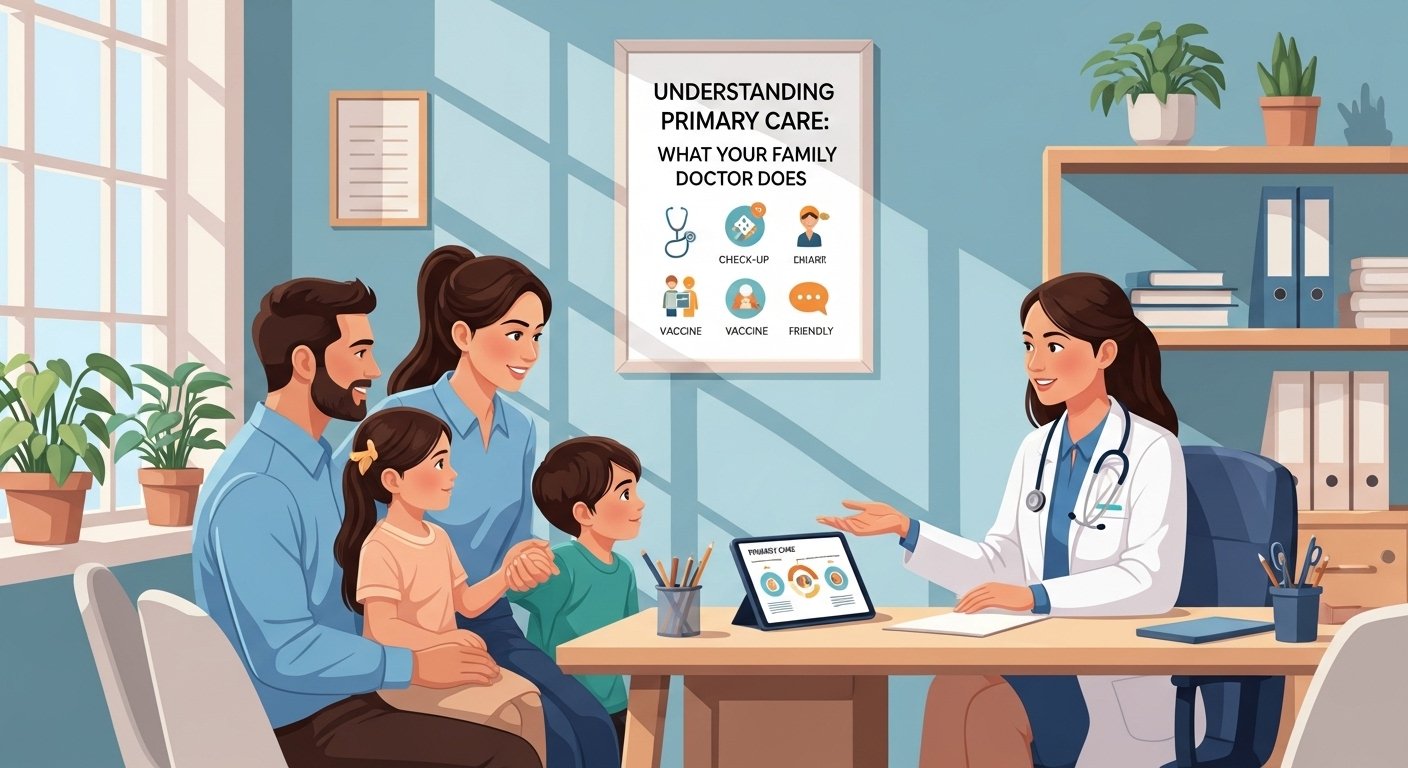

Your primary care doctor — also called your family doctor, general practitioner, or internist — is the most important physician in your healthcare system. They are the provider who knows your full health history, manages your routine and chronic care, and serves as the navigator of your entire healthcare journey. Despite this central role, many patients do not have a clear picture of everything their primary care doctor does and how to use that relationship most effectively. This guide clarifies the full scope of primary care.
The Core Functions of Primary Care
Preventive Care
A significant portion of primary care is preventive — keeping healthy people healthy through annual physical exams, routine screenings (cholesterol, blood pressure, cancer screenings appropriate to your age and risk factors), and vaccinations. Preventive care catches problems early, when they are most treatable, and prevents many conditions from developing in the first place.
Diagnosis and Treatment of Common Conditions
When you are sick, your primary care doctor is typically your first call. They diagnose and treat the full range of common illnesses — respiratory infections, urinary tract infections, skin conditions, digestive complaints, musculoskeletal problems, and much more. They prescribe medications, order diagnostic tests, and manage your recovery.
Chronic Disease Management
For the millions of people living with chronic conditions — diabetes, hypertension, high cholesterol, asthma, arthritis, and others — the primary care doctor provides ongoing management: monitoring disease progression, adjusting medications, ordering regular monitoring tests, and supporting lifestyle modifications that improve long-term outcomes.
Coordination of Care
When your condition requires specialist input, your primary care doctor identifies the right specialist, provides a referral and supporting information, and coordinates care between multiple providers to ensure nothing falls through the gaps. They serve as the hub of a wheel whose spokes are all the other providers involved in your care.
Why a Consistent Primary Care Relationship Matters
A doctor who has known you for years and has access to your complete medical history provides fundamentally better care than a series of providers who see you once. They recognize changes in your health over time, understand your family risk factors, know which medications you tolerate and which you don’t, and have the trust-based relationship that allows you to discuss sensitive health concerns honestly.
Conclusion
Your primary care doctor is not just the person you see when you are sick — they are the manager of your lifelong health. Establishing care with a primary care provider you trust and visiting them regularly, even when you feel well, is one of the most important investments you can make in your long-term health. If you do not have a primary care doctor, finding one should be a priority.
FAQs – Primary Care Doctors
Q1. What is the difference between a family medicine doctor and an internist?
A: Family medicine doctors care for patients of all ages, including children. Internists (internal medicine physicians) specialize in adult medicine. Both provide comprehensive primary care for adults.
Q2. How often should I see my primary care doctor?
A: Once a year for a preventive annual exam is the standard recommendation for healthy adults. Patients with chronic conditions may need more frequent visits — every 3 to 6 months depending on condition stability.
Q3. Can I go directly to a specialist instead of my primary care doctor?
A: With some insurance plans, yes. However, seeing a primary care doctor first is usually more efficient — they determine whether specialist care is truly needed, which specialist is most appropriate, and communicate your relevant history to that specialist.
Q4. What is a nurse practitioner and can they serve as my primary care provider?
A: Nurse practitioners (NPs) are advanced practice registered nurses with graduate-level clinical training. They can serve as primary care providers and provide care very similar to that of physicians, with collaborative physician oversight as required by state laws.
Q5. Does my primary care doctor work at a clinic or a hospital?
A: Primary care doctors practice primarily in clinic (outpatient) settings. Some also have hospital privileges that allow them to care for their patients when hospitalized, though this is less common than it once was.