
Many people skip their annual physical exam when they feel fine — reasoning that if nothing is wrong, there is no need to see a doctor. This reasoning, while understandable, misses the fundamental purpose of the annual physical. The annual exam is not just for diagnosing problems — it is for preventing them, detecting them early, and building the consistent healthcare relationship that produces better outcomes across your entire life. This guide explains why annual physical exams matter and what they include.
What Happens During an Annual Physical
Measurement of Vital Signs
Blood pressure, heart rate, respiratory rate, temperature, height, weight, and BMI are measured at every annual exam. These baseline measurements track trends over time — a gradually rising blood pressure that is still technically within normal range today may indicate developing hypertension that can be addressed before it becomes a serious problem.
Laboratory Testing
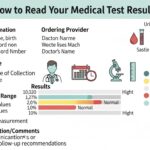
Annual physicals typically include a comprehensive or basic metabolic panel (kidney function, blood sugar, electrolytes), a lipid panel (cholesterol and triglycerides), a complete blood count, thyroid function tests in appropriate patients, and urine analysis. These tests reveal conditions that produce no symptoms in their early stages — diabetes, elevated cholesterol, anemia, and kidney disease among them.
Age-Appropriate Cancer Screenings
Your annual physical is when your doctor ensures you are up to date on recommended cancer screenings based on your age, gender, and risk factors. Mammograms, Pap smears, colorectal cancer screening, prostate-specific antigen (PSA) testing, and skin cancer screening are all coordinated through your annual exam.
Immunization Review
Your doctor reviews your vaccination history and administers or recommends any vaccines due based on current guidelines — flu vaccine, tetanus boosters, shingles vaccine, pneumonia vaccine, and others appropriate to your age and health status.
The Value of Early Detection
Conditions detected early are almost always easier and less expensive to treat than the same conditions detected after they have progressed. High blood pressure discovered at an annual physical and controlled with lifestyle changes or medication prevents heart attack and stroke. Early-stage cancer detected through routine screening has survival rates dramatically higher than late-stage cancer. The annual physical is the systematic mechanism through which these early detections happen.
Conclusion
The annual physical exam is one of the highest-value, most cost-effective investments in your health available. Even when you feel perfectly well, it catches silent risks, keeps you current on screenings and vaccinations, and maintains the consistent healthcare relationship that provides better longitudinal care. Schedule yours every year — it may be the most important appointment you keep.
FAQs – Annual Physical Exams
Q1. Is an annual physical covered by insurance?
A: Under the Affordable Care Act, most insurance plans cover annual preventive wellness visits at no cost to the patient (no copay or deductible). Verify your specific plan’s coverage before your appointment.
Q2. What should I prepare before my annual physical?
A: Bring a list of all current medications and supplements, your vaccination records, any recent test results from other providers, and a list of health questions or concerns you want to discuss.
Q3. Should I fast before an annual physical?
A: If your physical includes fasting blood tests (which it often does for accurate cholesterol and blood sugar measurements), your clinic will instruct you to fast for 8–12 hours beforehand. Follow their specific guidance.
Q4. How long does an annual physical take?
A: Allow 45–90 minutes for a comprehensive annual physical. First-time patients often need more time; established patients with stable health may complete theirs in 45 minutes.
Q5. Do children need annual physicals too?
A: Yes. Well-child visits follow a schedule recommended by the American Academy of Pediatrics — more frequent in the first two years of life, then annually throughout childhood and adolescence. These visits track growth and development and administer vaccinations on schedule.