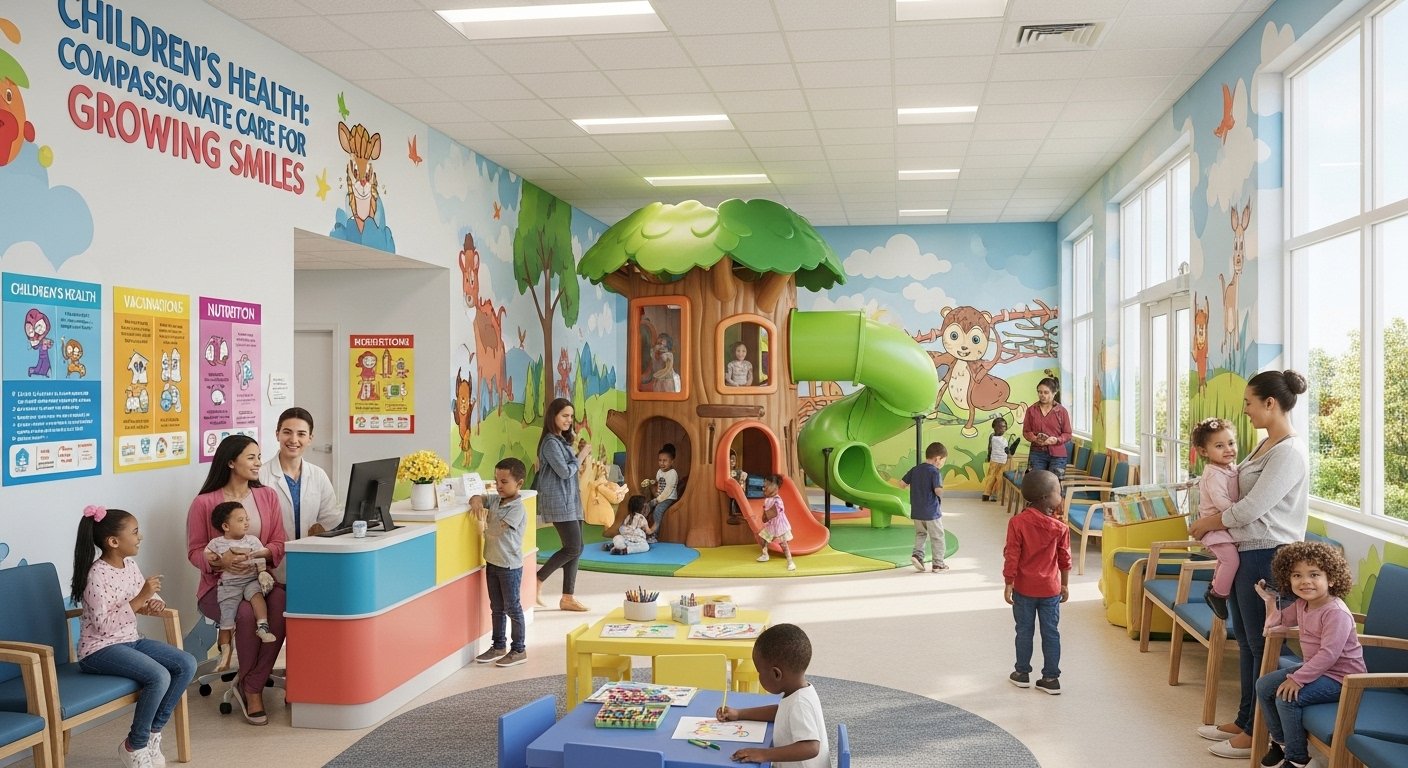

Children are not simply small adults — they have unique health needs, developmental milestones, and medical considerations that require specialized expertise. Pediatric clinics, staffed by pediatricians and family medicine doctors trained in child health, provide the specialized care that supports healthy development from birth through adolescence. Understanding what pediatric clinics offer helps parents make the most of their child’s healthcare and ensure that no important aspect of their child’s wellbeing is overlooked.
Well-Child Visits: The Foundation of Pediatric Care
Well-child visits — also called well-baby visits or health supervision visits — are scheduled appointments specifically for healthy children. They do not require the child to be sick. The American Academy of Pediatrics recommends well-child visits at 2 weeks, 1 month, 2 months, 4 months, 6 months, 9 months, 12 months, 15 months, 18 months, 24 months, 30 months, and annually from ages 3 through 21. These visits track growth and development, administer vaccinations, and allow the pediatrician to address parents’ questions and concerns.
Growth and Developmental Monitoring
At every well-child visit, the pediatrician measures height, weight, and head circumference (in infants), plotting these on growth charts to monitor trajectory over time. Developmental screening tools assess whether a child is meeting motor, language, social, and cognitive milestones appropriate to their age. Early identification of developmental delays allows prompt intervention through therapies that are most effective when started early.
Vaccinations
The vaccination schedule recommended by the CDC and AAP is administered through pediatric clinics, protecting children against measles, mumps, rubella, chickenpox, whooping cough, polio, hepatitis A and B, and many other serious diseases. Childhood vaccines are among the most effective preventive interventions in medical history, having virtually eliminated diseases that once killed thousands of children annually.
Sick Child Visits
Pediatric clinics also handle sick visits for children with fever, ear infections, strep throat, respiratory illness, rashes, gastrointestinal complaints, and other common pediatric conditions. Having an established relationship with a pediatric clinic ensures faster, more personalized care when your child is ill.
Adolescent Health
Pediatric clinics extend care into adolescence, addressing the unique health needs of teenagers — sports physicals, mental health screening, reproductive health counseling, acne treatment, and guidance on issues like nutrition, sleep, substance use, and sexual health. Many pediatricians continue seeing patients through age 21.
Conclusion
Pediatric clinics provide the comprehensive, developmentally informed care that gives children the healthiest possible start in life. From birth through young adulthood, regular well-child visits, timely vaccinations, developmental monitoring, and accessible sick care build the health foundation that supports every other aspect of a child’s growth and learning. Find a pediatrician you and your child trust and commit to the recommended schedule of well-child care.
FAQs – Pediatric Clinics
Q1. When should I choose a pediatrician for my newborn?
A: Ideally during your third trimester of pregnancy. Most pediatric practices hold prenatal visits to meet expectant parents, discuss their practice philosophy, and establish care before the baby arrives.
Q2. What vaccines does my child receive at birth?
A: Hepatitis B vaccine is typically given in the hospital within 24 hours of birth. The full vaccination schedule continues through well-child visits over the next several years.
Q3. Can a family medicine doctor care for my child instead of a pediatrician?
A: Yes. Family medicine physicians are trained to care for patients of all ages, including children. In areas without enough pediatricians, family medicine providers capably serve children’s primary care needs.
Q4. What should I do if my child has a medical emergency?
A: For severe or life-threatening emergencies, call 911 or go to a pediatric emergency room. For urgent but non-emergency concerns, call your pediatric clinic first — many have after-hours nurse lines that can advise whether immediate care is needed.
Q5. Are childhood vaccines safe?
A: Yes. Childhood vaccines are among the most extensively studied and rigorously monitored medical interventions available. The overwhelming scientific consensus supports their safety and effectiveness. The diseases they prevent pose far greater risk than any side effects of the vaccines.