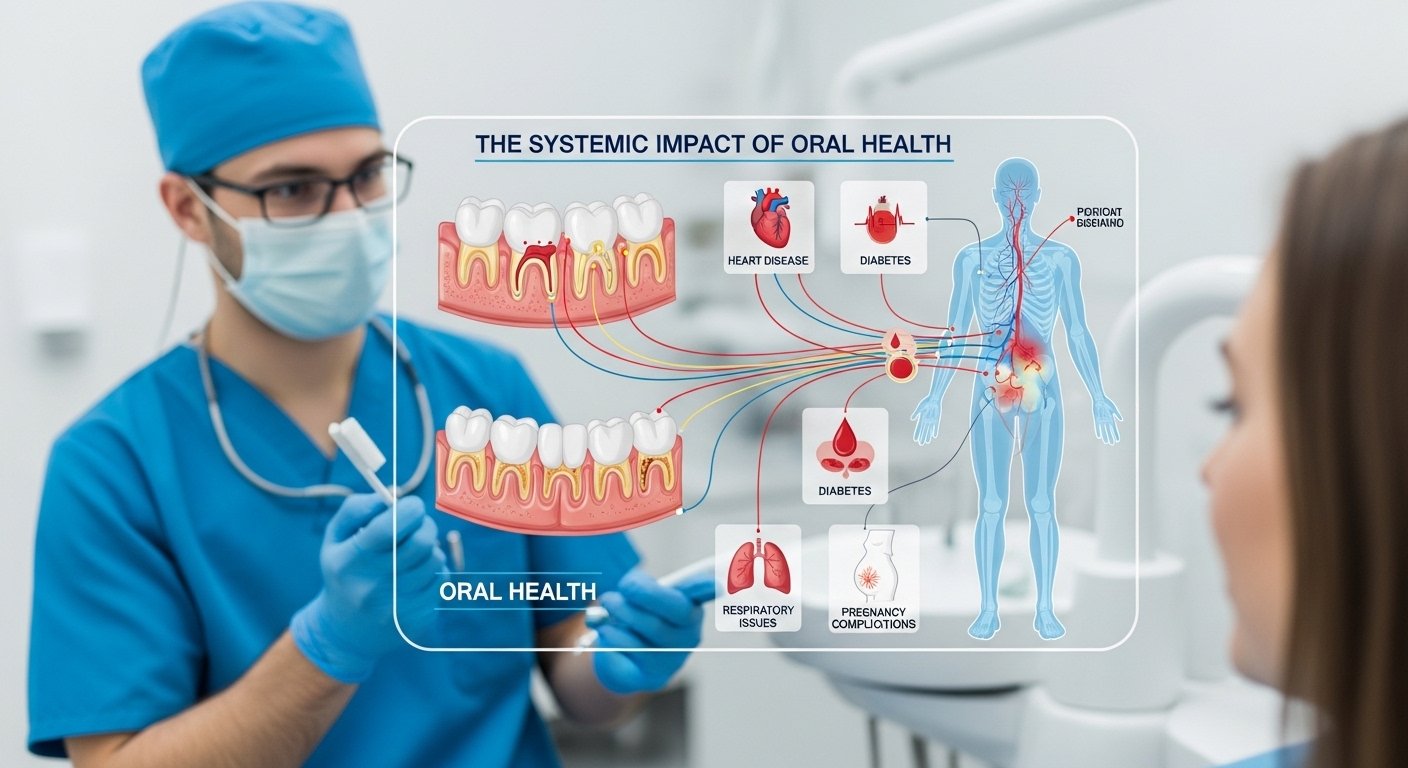

Many people think of dental care as separate from their general medical care — a cosmetic concern about teeth and gums rather than a genuine health matter. This is a costly misconception. Oral health is deeply connected to overall physical health in ways that are increasingly well-documented by medical research. Dental clinics do not just keep your smile beautiful; they protect your heart, manage inflammatory processes, and detect conditions that reflect your systemic health. This guide explains the whole-body importance of oral health and what dental clinics provide.
The Connection Between Oral Health and Systemic Disease
Cardiovascular Disease
Gum disease (periodontitis) is associated with increased risk of heart disease, stroke, and atherosclerosis. The bacteria responsible for gum disease can enter the bloodstream through inflamed gum tissue, triggering inflammatory responses that damage blood vessels and promote the formation of arterial plaques. People with severe gum disease have significantly higher rates of cardiovascular events than those with healthy gums.
Diabetes
The relationship between oral health and diabetes runs in both directions. Poorly controlled diabetes increases risk of gum disease; severe gum disease makes blood sugar control more difficult. Effective dental treatment — reducing oral inflammation — has been shown to improve HbA1c (blood sugar control) in diabetic patients.
Pregnancy
Severe gum disease is associated with preterm birth and low birth weight. Hormonal changes during pregnancy also make gums more vulnerable to inflammation. Regular dental care during pregnancy is important for both maternal and fetal health.
What Dental Clinics Provide
- Routine dental exams and professional cleaning (every 6 months for most patients)
- X-rays to detect decay between teeth and below the gumline
- Cavity treatment with fillings, crowns, or root canals
- Gum disease treatment (scaling, root planing, periodontal therapy)
- Orthodontic services (braces, clear aligners)
- Cosmetic dentistry (whitening, veneers)
- Tooth extraction and dental implants
- Oral cancer screening
Conclusion
Your oral health is not separate from your overall health — it is a window into it and a contributor to it. Regular dental clinic visits prevent tooth decay and gum disease, detect oral cancer early, and protect your cardiovascular and metabolic health. Commit to twice-yearly dental exams, daily brushing and flossing, and open communication with your dentist about any oral symptoms or changes. Your mouth’s health is your body’s health.
FAQs – Dental Clinics and Oral Health
Q1. How often should I see a dentist?
A: Twice a year (every 6 months) for routine exams and cleaning is the standard recommendation for most patients. Higher-risk patients — those with active gum disease, dry mouth, or high cavity rates — may benefit from more frequent visits.
Q2. Does dental care hurt?
A: Modern dental care involves effective local anesthesia that makes most procedures comfortable. Anxiety about dental pain is common, but most patients find that the experience is far less uncomfortable than anticipated. Tell your dentist about dental anxiety — they can take extra steps to ensure your comfort.
Q3. Is dental care covered by medical insurance?
A: Most medical insurance plans do not cover dental care. Separate dental insurance plans cover routine exams, cleanings, X-rays, and typically a portion of fillings and major procedures. Community dental clinics and dental schools provide care at reduced cost for patients without dental insurance.
Q4. At what age should children first see a dentist?
A: The American Academy of Pediatric Dentistry recommends a child’s first dental visit by their first birthday or within 6 months of the first tooth erupting, whichever comes first.
Q5. Can gum disease be reversed?
A: Early gum disease (gingivitis) is reversible with professional cleaning and improved home hygiene. Advanced gum disease (periodontitis) causes permanent bone and tissue loss that cannot be reversed, only stabilized with ongoing treatment. This is why early treatment is so important.