
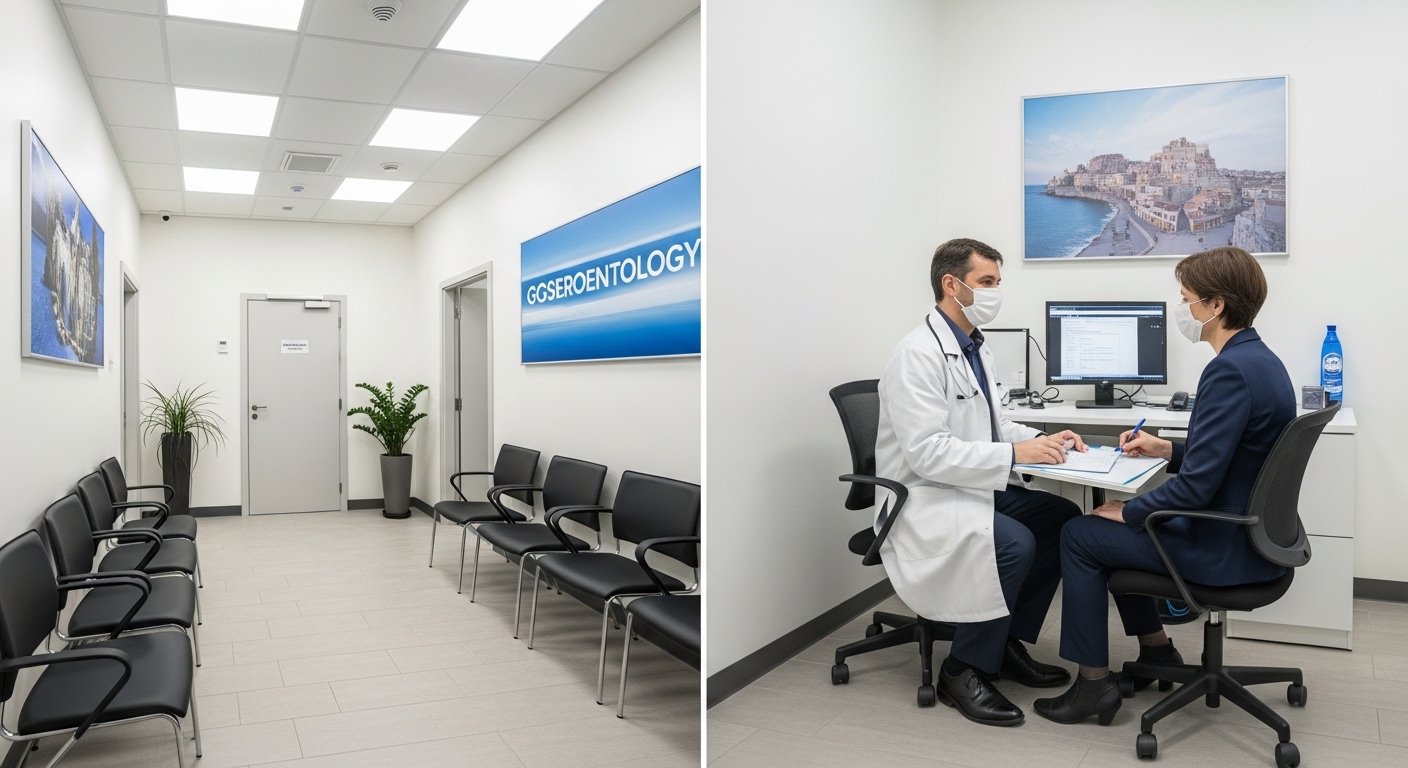

Gastroenterology is the medical specialty focused on the digestive system — from the esophagus through the stomach, small intestine, large intestine, rectum, liver, gallbladder, and pancreas. Gastroenterology clinics diagnose and treat conditions affecting any of these organs, performing both clinical consultations and procedural interventions (including colonoscopy and endoscopy) that are central to the diagnosis and treatment of GI disease. This guide explains what gastroenterology clinics do and when to seek GI specialty care.
Common Conditions Treated
- Gastroesophageal reflux disease (GERD) and Barrett’s esophagus
- Peptic ulcer disease
- Inflammatory bowel disease (Crohn’s disease and ulcerative colitis)
- Irritable bowel syndrome (IBS)
- Celiac disease
- Colorectal polyps and colorectal cancer
- Liver disease (hepatitis, cirrhosis, fatty liver disease)
- Gallstone disease
- Pancreatitis
- Swallowing disorders
- GI bleeding
Procedures Performed
Colonoscopy
The gold standard for colorectal cancer screening — a flexible camera passed through the entire colon to visualize the lining, identify polyps and cancer, and remove polyps during the same procedure. Recommended starting at age 45 for average-risk adults (earlier for high-risk groups).
Upper Endoscopy (EGD)
A camera passed through the mouth to visualize the esophagus, stomach, and upper small intestine, diagnosing GERD complications, ulcers, Barrett’s esophagus, and upper GI bleeding. Also used to perform biopsies and treat bleeding vessels.
When to See a Gastroenterologist
Seek gastroenterology evaluation for blood in stool, unexplained weight loss, persistent abdominal pain, difficulty swallowing, chronic diarrhea or constipation, or colorectal cancer screening. Your primary care doctor will provide a referral when GI specialty evaluation is warranted.
Conclusion
Gastroenterology clinics provide essential diagnostic and procedural care for conditions that are common, often uncomfortable, and sometimes life-threatening when missed. Do not delay seeking GI care for alarming symptoms — and do not skip colorectal cancer screening, which remains the most powerful tool for catching one of the most preventable cancers before it becomes advanced.
FAQs – Gastroenterology Clinics
Q1. Is a colonoscopy painful?
A: Colonoscopies are performed under sedation — most patients are completely comfortable during the procedure and remember nothing afterward. The required bowel preparation the day before is the most commonly reported unpleasant aspect.
Q2. Are there alternatives to colonoscopy for colorectal cancer screening?
A: Yes. Stool DNA tests (Cologuard), fecal immunochemical tests (FIT), and CT colonography are approved alternatives for average-risk patients. However, colonoscopy is the only test that both diagnoses and removes polyps in a single procedure.
Q3. What is the difference between Crohn’s disease and ulcerative colitis?
A: Both are inflammatory bowel diseases. Ulcerative colitis affects only the colon in a continuous pattern. Crohn’s disease can affect any part of the GI tract from mouth to anus in a patchy pattern. Both are chronic autoimmune conditions managed with similar medications.
Q4. What is fatty liver disease?
A: Non-alcoholic fatty liver disease (NAFLD) involves fat accumulation in the liver not caused by alcohol, typically associated with obesity, diabetes, and metabolic syndrome. In some patients, it progresses to non-alcoholic steatohepatitis (NASH), cirrhosis, and liver failure. Weight loss is the most effective treatment.
Q5. Does stress cause IBS?
A: Stress does not cause IBS but significantly worsens its symptoms. IBS involves abnormal gut-brain communication (the “gut-brain axis”) that makes the digestive system more reactive to stress, diet, and other triggers. Addressing psychological factors is an important component of IBS management.


