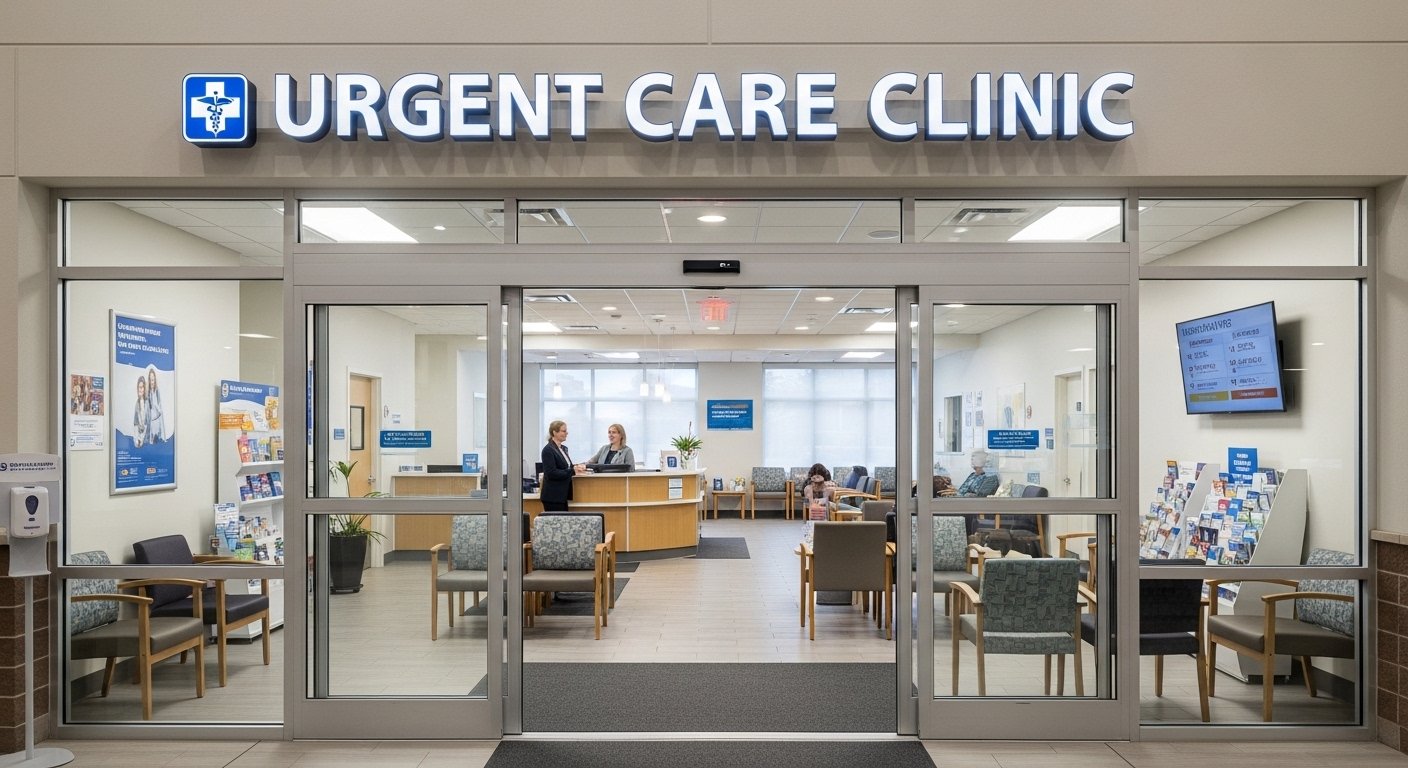

Urgent care clinics have become one of the most important components of the American healthcare system, filling the critical gap between primary care offices (which may not have same-day availability) and emergency rooms (which are designed for life-threatening conditions and are far more expensive). Understanding what urgent care is, what it can and cannot do, and when to use it helps you make smarter, faster, less expensive healthcare decisions. This guide covers everything you need to know about urgent care clinics.
The Purpose of Urgent Care
Urgent care clinics exist to provide prompt medical attention for conditions that need to be seen today — but are not medical emergencies. They accept walk-in patients, operate extended hours (including evenings and weekends), and are staffed by physicians or nurse practitioners equipped to diagnose and treat a broad range of common conditions on the spot. They bridge the gap between “I can wait a week for my regular doctor” and “I need to call 911.”
Common Conditions Treated at Urgent Care
- Upper respiratory infections (cold, flu, bronchitis)
- Strep throat and ear infections
- Urinary tract infections
- Minor cuts, lacerations, and wound care
- Sprains and minor fractures (confirmed by on-site X-ray)
- Rashes, skin infections, and insect bites
- Eye infections (pink eye)
- Back pain and minor musculoskeletal injuries
- Mild to moderate allergic reactions
- COVID-19, flu, and strep testing
- Physical exams for sports, school, or employment
What Urgent Care Cannot Do
Urgent care centers are not equipped for life-threatening emergencies. They cannot manage heart attacks, strokes, severe breathing difficulty, major trauma, or conditions requiring surgical intervention or intensive monitoring. For these situations, call 911 or go directly to the nearest emergency room. When in doubt, err on the side of the emergency room — it is always better to seek emergency care that turns out not to be needed than to delay care for a condition that truly is an emergency.
Cost Comparison
Urgent care visits typically cost $100–$250 for an uninsured patient, compared to $1,000–$3,000 or more for an emergency room visit for the same condition. For insured patients, urgent care copays are generally $30–$75, compared to $150–$350 emergency room copays. Using urgent care appropriately for non-emergency conditions is one of the most effective ways to reduce healthcare costs without sacrificing care quality.
Conclusion
Urgent care clinics are an accessible, affordable, and effective resource for a wide range of non-emergency medical needs. Knowing where your nearest urgent care is, what it can treat, and when it is the right choice rather than the emergency room empowers you to access care quickly, efficiently, and cost-effectively when unexpected health concerns arise.
FAQs – Urgent Care Clinics
Q1. Do urgent care clinics take appointments or only walk-ins?
A: Most urgent care centers accept walk-ins without appointments. Many also allow you to save your place in line online, reducing your actual wait time at the facility.
Q2. Are urgent care clinics staffed by real doctors?
A: Urgent care centers are typically staffed by physicians or nurse practitioners — licensed providers qualified to diagnose and treat a wide range of medical conditions. Staffing mix varies by location.
Q3. Will my urgent care visit be shared with my primary care doctor?
A: Many urgent care systems send visit summaries to your primary care provider if you provide their information. Always inform your regular doctor about urgent care visits, especially if you received a new diagnosis or started a new medication.
Q4. Can urgent care prescribe antibiotics?
A: Yes. Urgent care providers can prescribe antibiotics and most other common medications when clinically indicated. They follow evidence-based guidelines for appropriate antibiotic prescribing.
Q5. How long is the wait at urgent care?
A: Wait times vary by location, time of day, and patient volume. Typically 30–90 minutes from arrival to discharge. Using online check-in or visiting during off-peak hours (mid-morning or mid-afternoon on weekdays) reduces waiting.