





















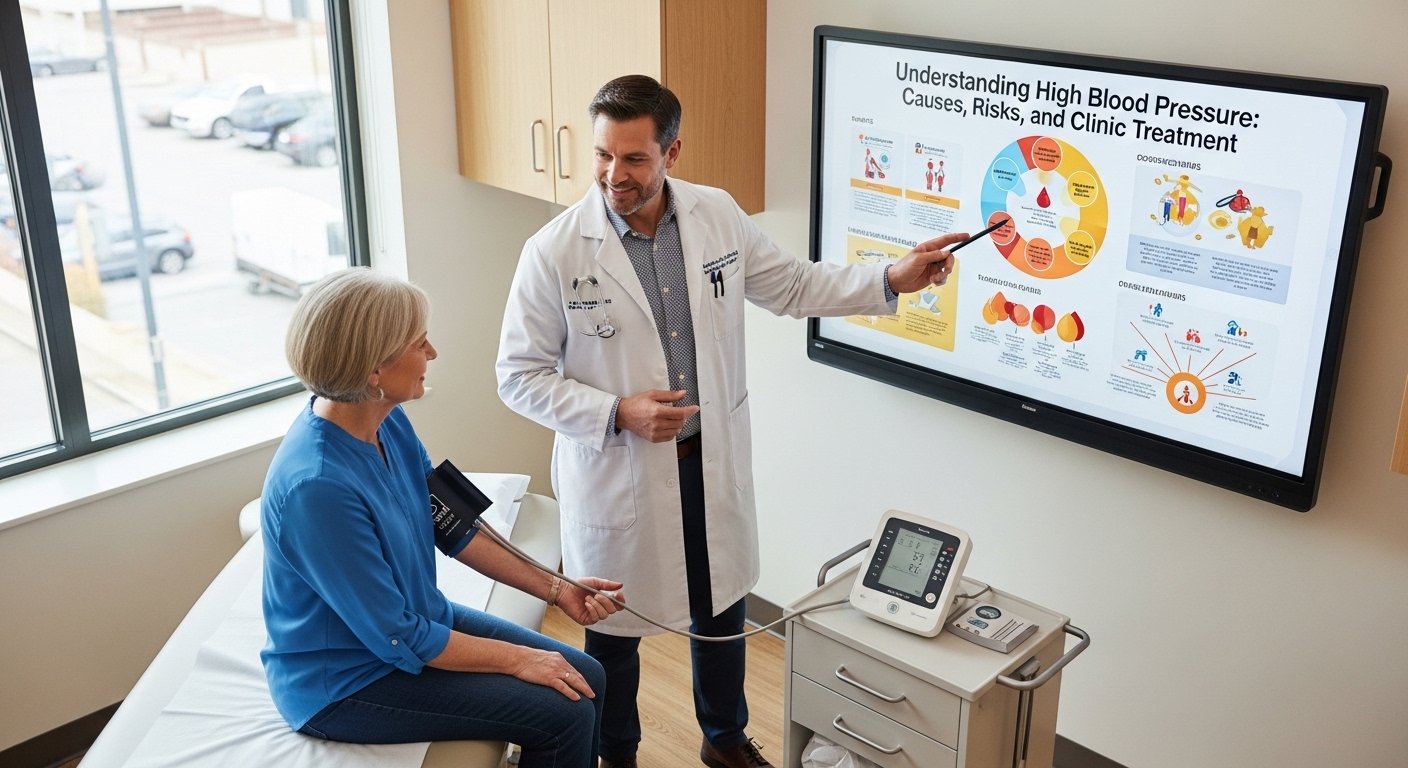
Understanding High Blood Pressure: Causes, Risks, and Clinic Treatment

High blood pressure — or hypertension — is called the “silent killer” for good reason. It produces no symptoms in the vast majority of people who have it, yet silently damages blood vessels, the heart, kidneys, and brain for years before…
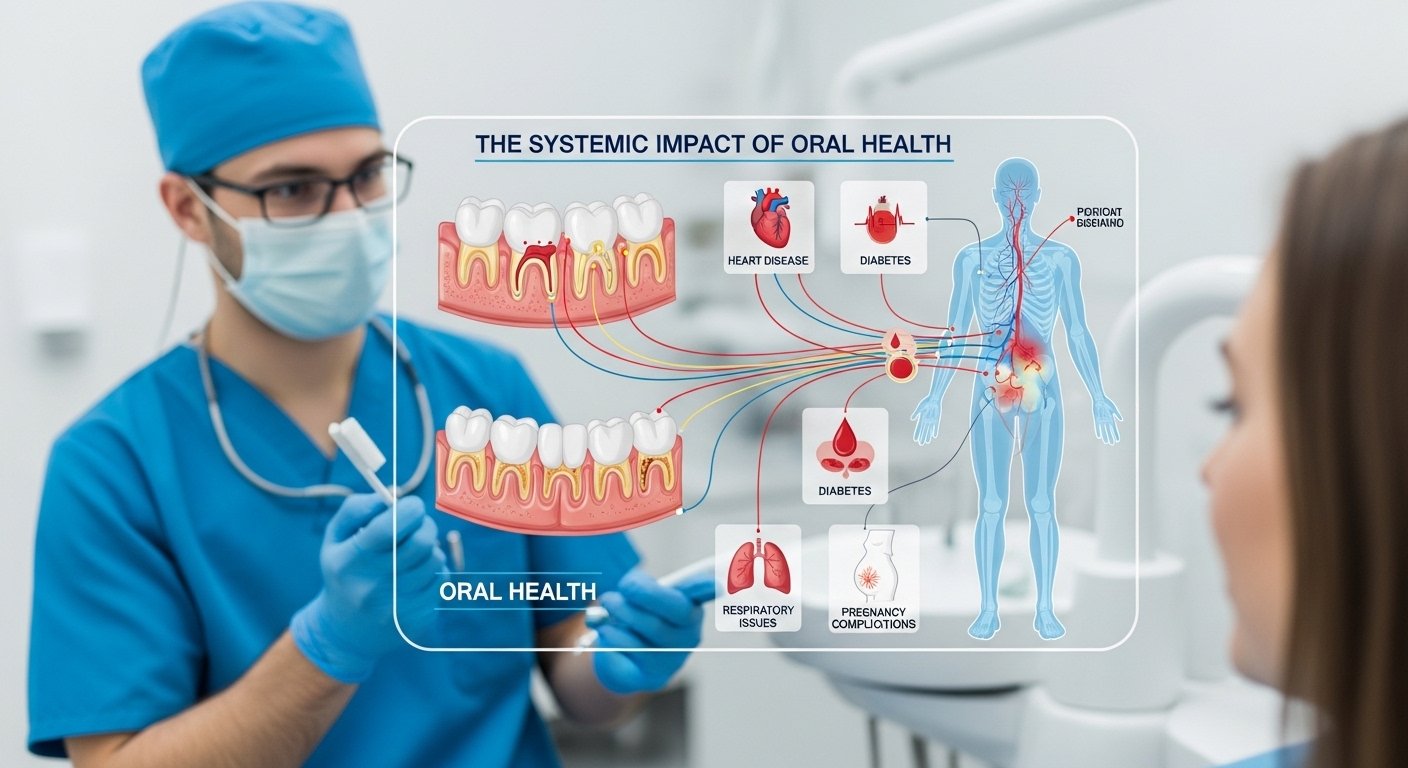
Dental Clinics: Why Oral Health Affects Your Whole Body
Many people think of dental care as separate from their general medical care — a cosmetic concern about teeth and gums rather than a genuine health matter. This is a costly misconception. Oral health is deeply connected to overall physical health in ways…
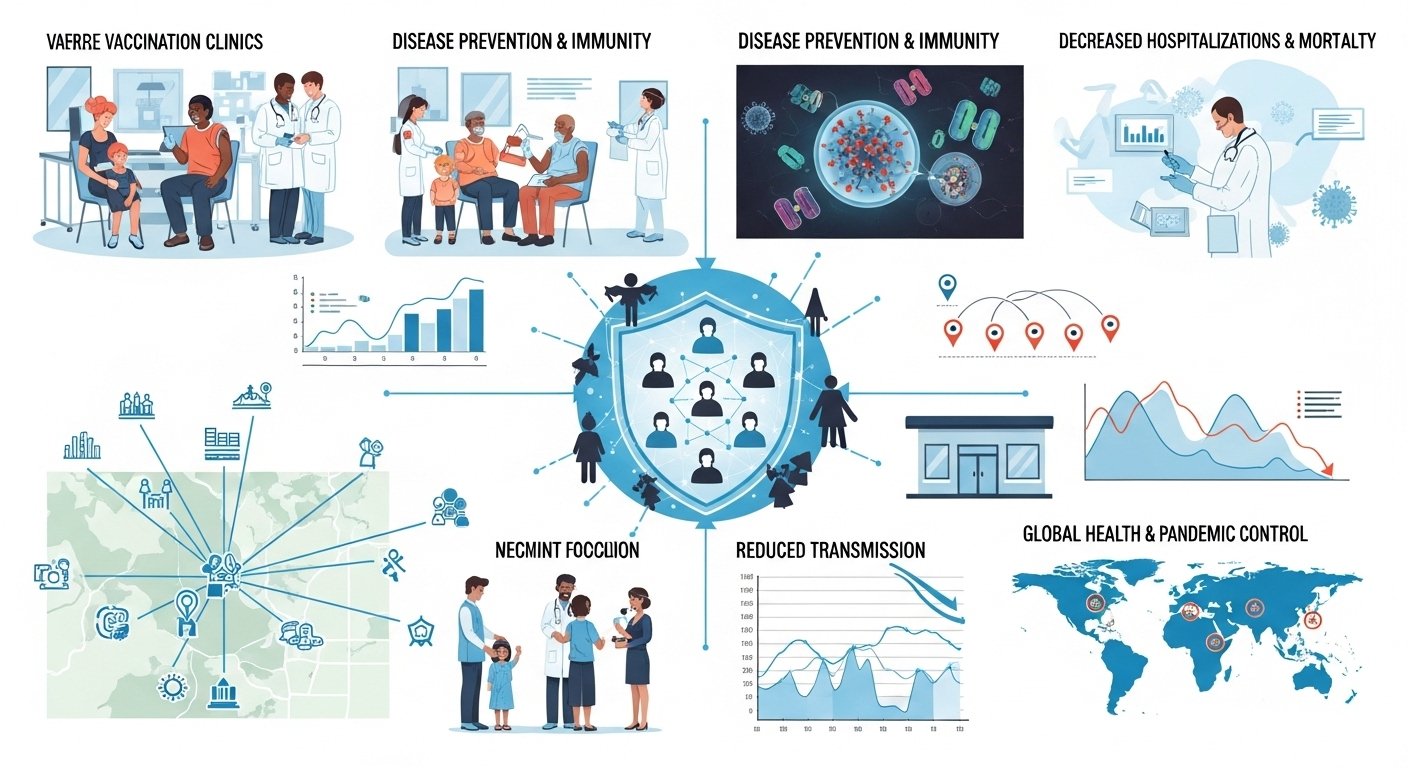
How Vaccination Clinics Protect Communities
Vaccination clinics — whether dedicated immunization centers, pharmacy clinics, public health department programs, or the vaccination services offered by your primary care provider — play a fundamental role in protecting individual and community health.…

Mental Health Clinics: Breaking the Stigma
Mental health conditions — depression, anxiety, trauma, bipolar disorder, and others — affect approximately one in five adults in the United States. Yet fewer than half of those with diagnosable mental health conditions receive any treatment. A primary…

Men’s Health: Why Regular Clinic Visits Matter
Men visit doctors less often than women, delay seeking care when symptoms appear, and are less likely to prioritize preventive health measures. The consequences of this pattern are significant: men have shorter average lifespans than women, higher rates…

Women’s Health Clinics: Services and Benefits
Women’s health encompasses a broad and distinct set of medical needs that span reproductive health, hormonal health, cardiovascular disease, bone health, mental health, and the unique health concerns of pregnancy, menopause, and aging.…

Children’s Health: What Pediatric Clinics Offer
Children are not simply small adults — they have unique health needs, developmental milestones, and medical considerations that require specialized expertise. Pediatric clinics, staffed by pediatricians and family medicine doctors trained in child…

How to Manage Chronic Conditions at a Medical Clinic
Chronic conditions — diabetes, hypertension, heart disease, asthma, arthritis, and others — affect nearly half of all American adults and account for the majority of healthcare costs in the United States. Managing a chronic condition is not a one-time…
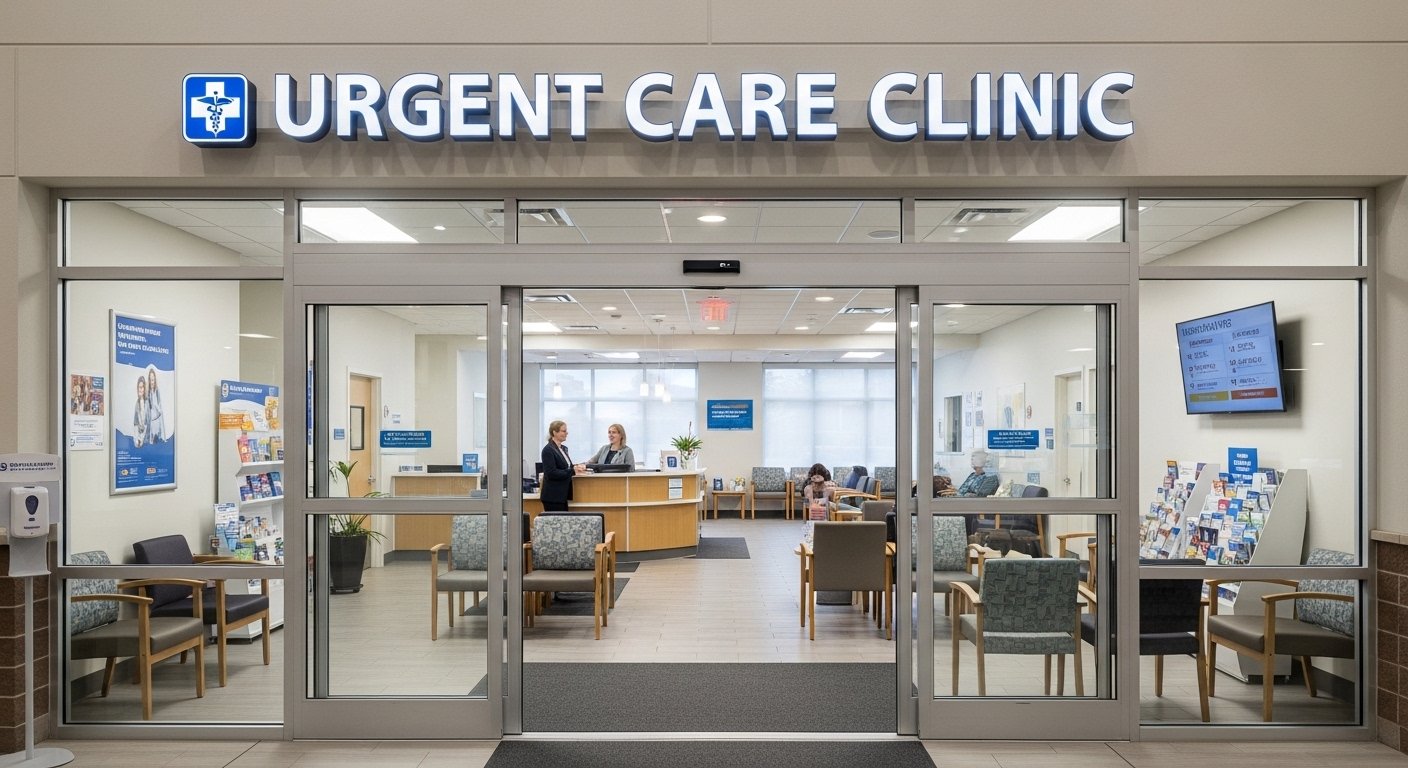
What Is an Urgent Care Clinic?
Urgent care clinics have become one of the most important components of the American healthcare system, filling the critical gap between primary care offices (which may not have same-day availability) and emergency rooms (which are designed for…
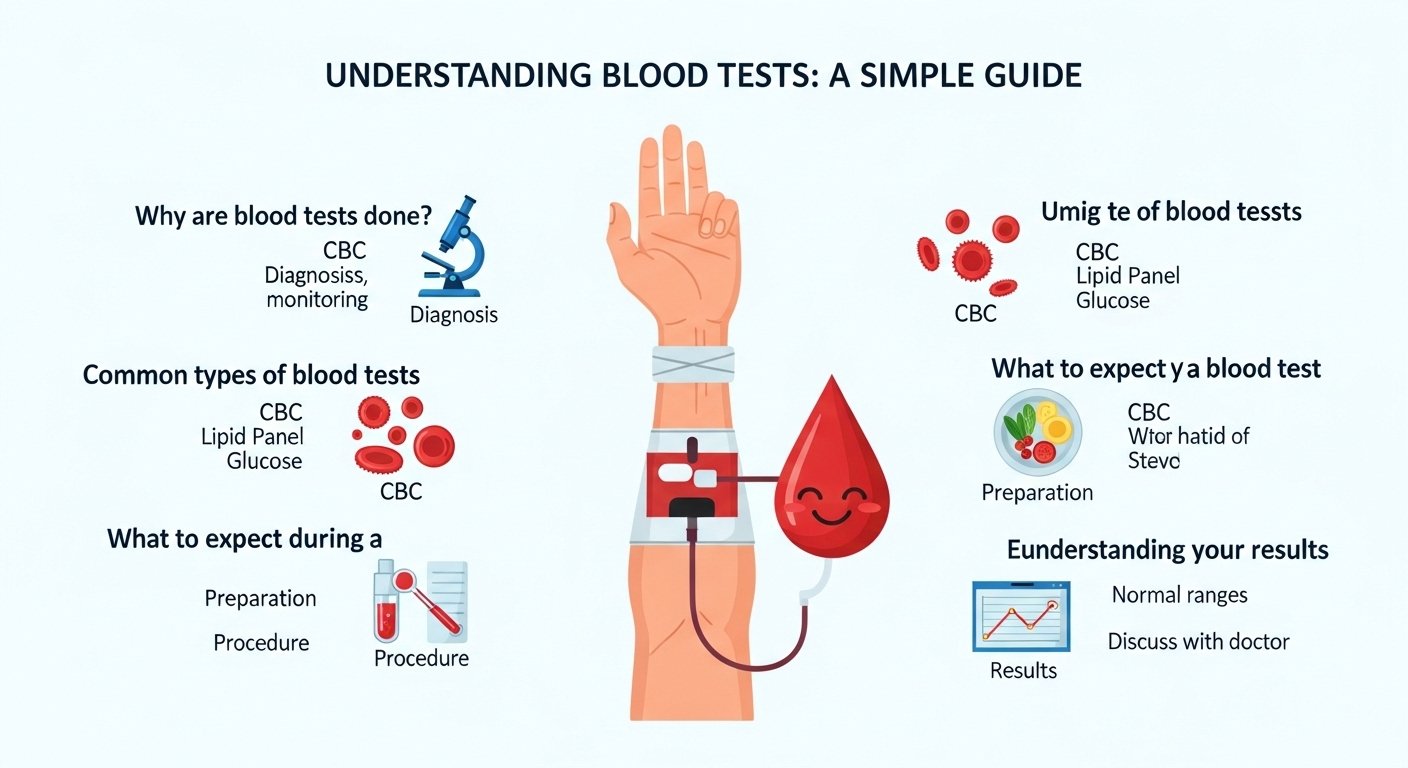
Understanding Blood Tests: A Simple Guide
Blood tests are among the most powerful and commonly used diagnostic tools in medicine — yet for many patients, receiving a lab order or reviewing results can feel bewildering. Understanding the most common blood tests, what they measure, why they are…